What is a Montessori preschool? A guide for families in Melbourne's west
Montessori is one of the best-known approaches to early learning, but the word gets used loosely. Here is what a Montessori preschool actually is, what to look for when you visit, and how it fits with the framework every Australian early learning service follows.
Key takeaways
Montessori is built on children choosing purposeful, hands-on activities in a calm, prepared environment.
Educators observe and guide, so each child learns at their own pace.
In Australia, a Montessori program still sits within the national Early Years Learning Framework.
The idea
Where Montessori comes from
The Montessori approach was developed by Dr Maria Montessori, an Italian physician and educator who opened her first Casa dei Bambini, or children's house, in Rome in 1907. Watching children closely, she saw that they learn most deeply when they can choose purposeful activities, repeat them as often as they need, and do things for themselves.
More than a century later, those ideas still shape Montessori rooms around the world: a prepared environment, hands-on learning materials, real independence, and an adult who acts as a guide rather than a lecturer.
In the room
What you will notice in a Montessori preschool room
Signs of a Montessori room
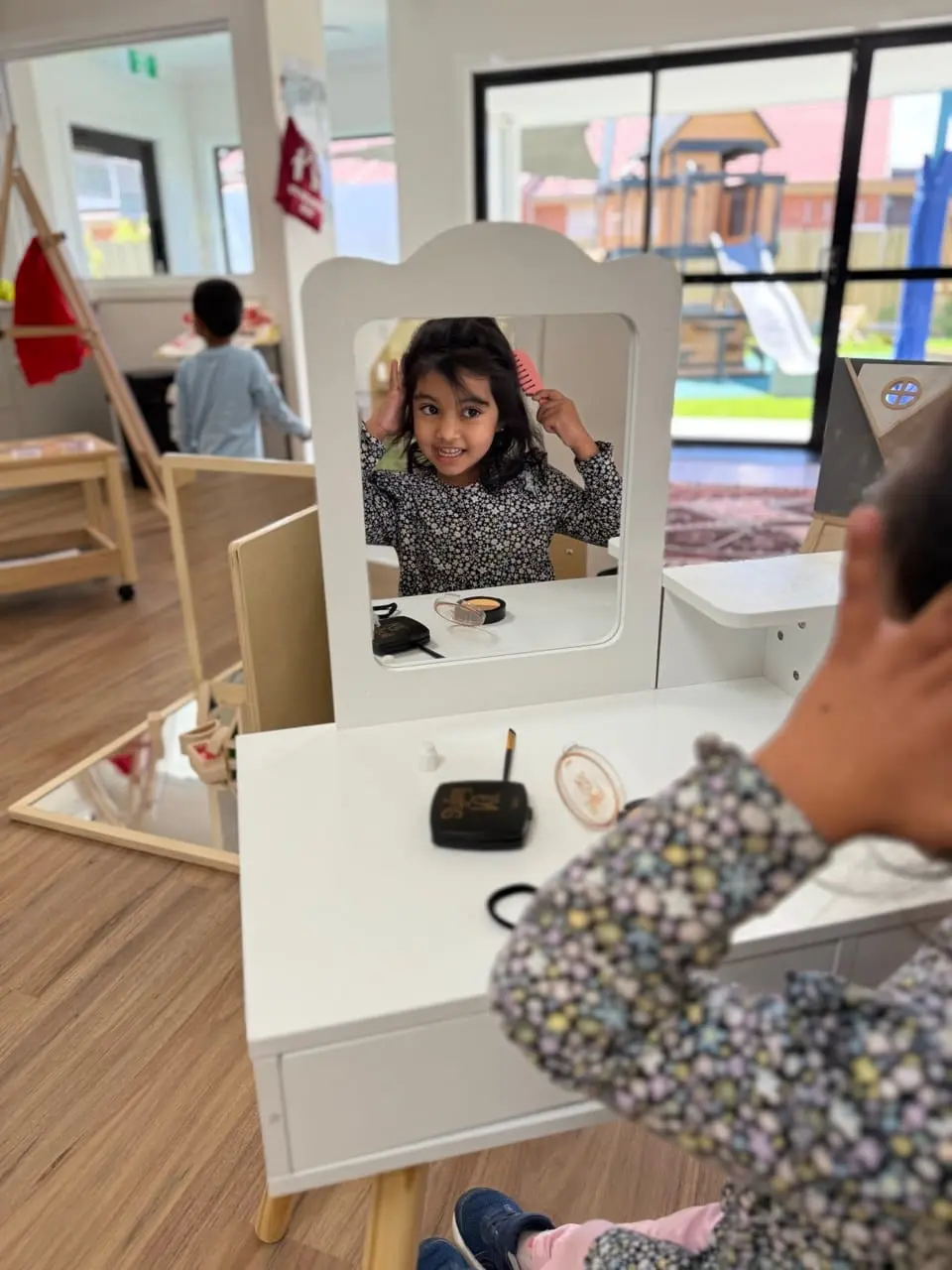
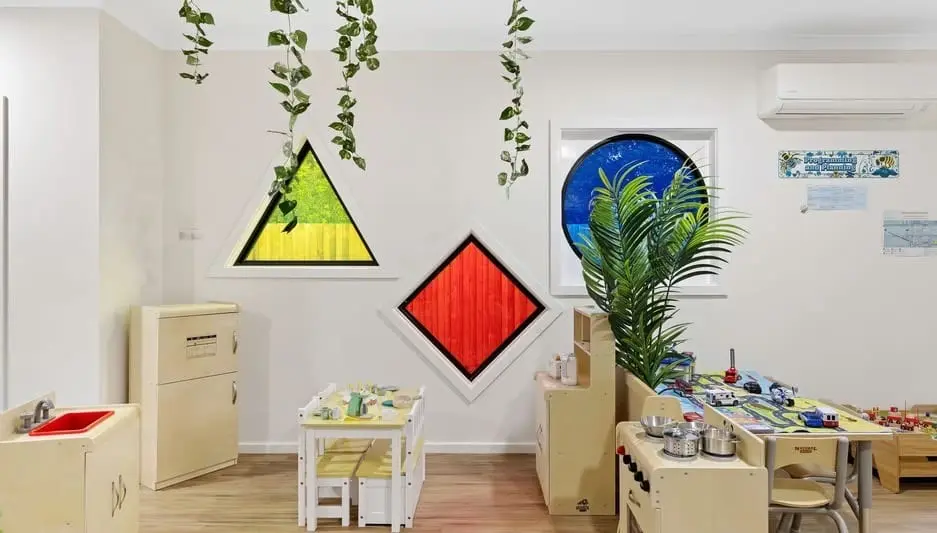
- Low, open shelves where children choose an activity and put it back themselves
- Hands-on materials for sensory play, early literacy, numeracy and everyday life skills
- Children working on their own or in small groups, often deeply focused
- A calm, uncluttered space rather than a room full of noise and plastic toys
- Educators moving between children, observing and offering the next challenge
Practical life
Everyday tasks like pouring, sorting, wiping up and tidying away are a big part of Montessori. They look simple, but they build fine motor skills, coordination, concentration and a real sense of responsibility.
In Australia
How Montessori works with the Early Years Learning Framework
Every approved early learning service in Australia delivers a program based on the national Early Years Learning Framework, built around Belonging, Being and Becoming. Victorian services also use the Victorian Early Years Learning and Development Framework. A Montessori program does not replace these frameworks. Montessori shapes how children learn day to day, while the frameworks guide the outcomes educators plan for and share with families.
Choosing well
Questions to ask on a Montessori tour
Montessori is not a protected term, so it is worth asking how a centre puts the approach into practice. A good centre will be happy to walk you through it.
- How is the room set up, and how do children choose their activities?
- How do educators support a child who finds it hard to settle into an activity?
- How does the Montessori program fit with funded kindergarten and the EYLF?
- How will I hear about my child's learning and progress?
Our full list of questions to ask on a childcare tour covers the practical side too, from fees and inclusions to how settling in works.
At Kids Kingdom
Our Montessori preschool program
Kids Kingdom runs a Montessori preschool program at both our Hoppers Crossing and Sydenham centres, as part of our long day care day and alongside our funded 3 and 4-year-old kindergarten. Read more on our Montessori preschool page, or book a tour to see the rooms and meet the educators.
“The best way to understand Montessori is to watch a child absorbed in something they chose for themselves.”
Related articles
Keep exploring the topics parents usually compare next.
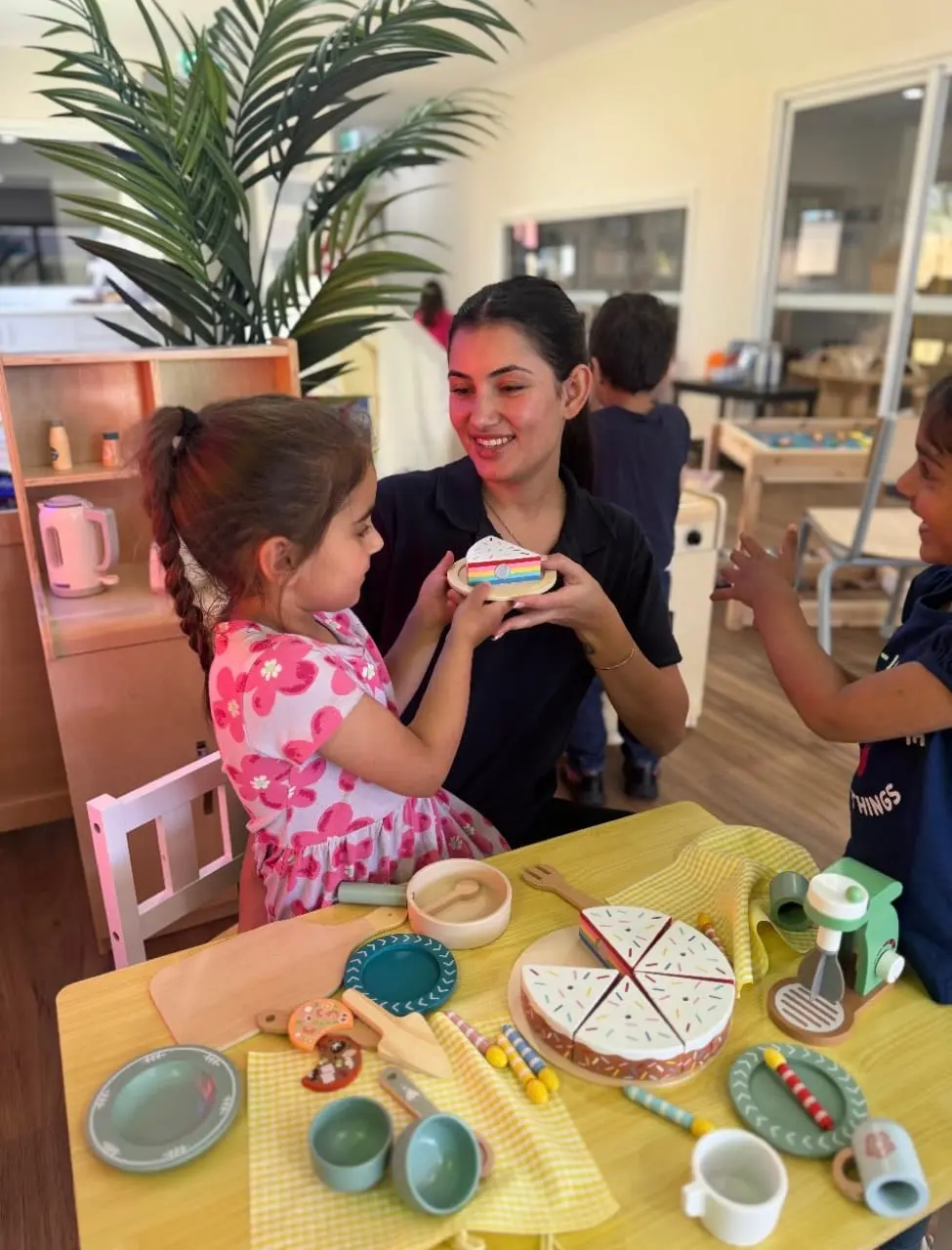
10 questions to ask on a childcare tour
The questions that actually reveal what a childcare centre is like day to day, from educator consistency and settling support to inclusions, communication and safety.
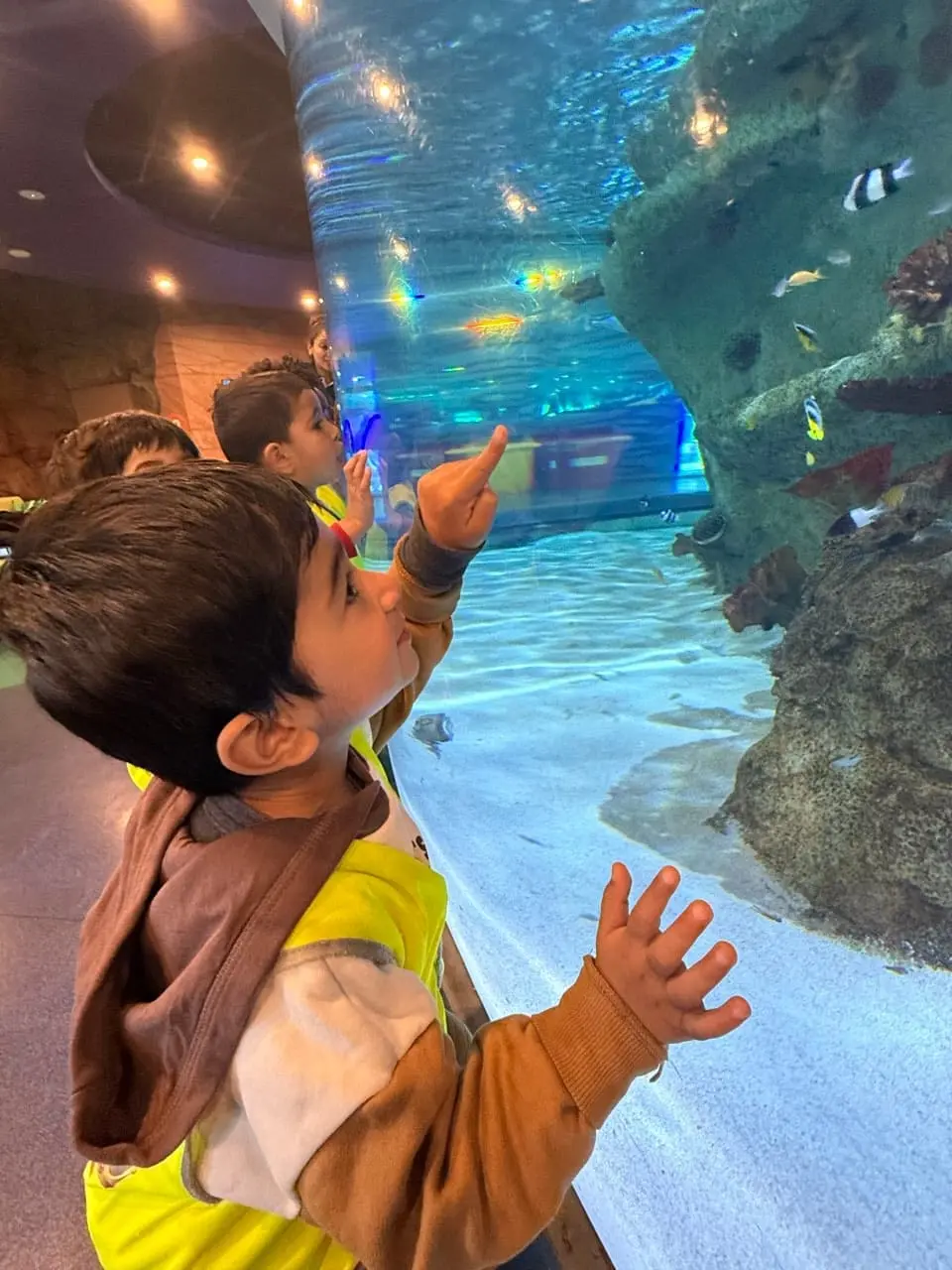
How childcare supports language and social development
How play-based early learning at childcare builds language, communication and social skills, and what to look for in a centre that does it well.